
Theory of Change
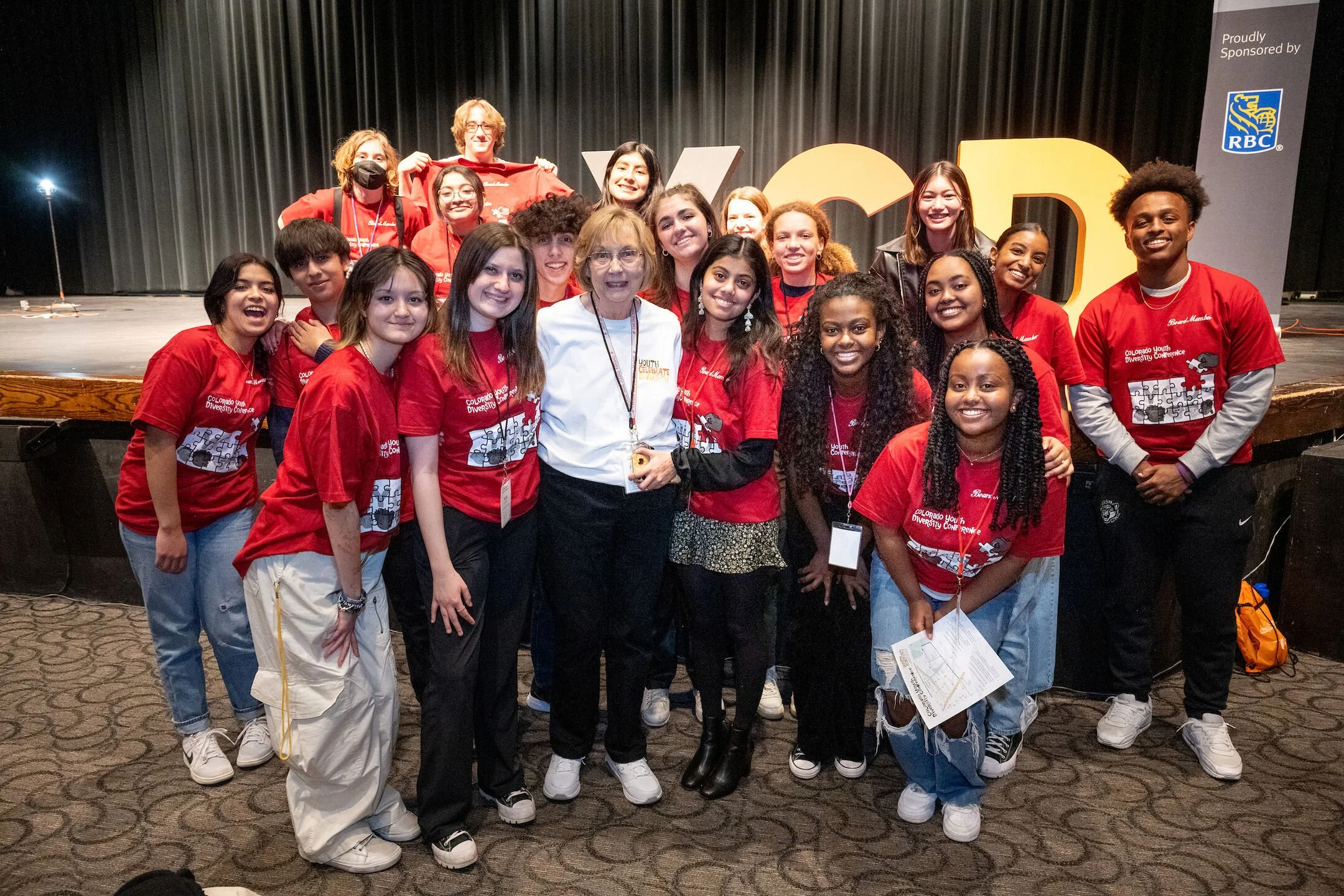
YCD’s model is underpinned by the idea that when students are empowered, schools and communities become more inclusive and justice-oriented.
Many young people with marginalized identities do not feel safe, accepted, or respected in school and in their community. These feelings often arise from wider social dynamics and systemic injustices rooted in oppression that play out in young people’s daily lives and interactions. For many young people, these social injustices prevent them from reaching their educational potential in school, with implications for their sense of belonging, earning potential, and ultimately their life success.
For many affected youth, common outcomes may include late graduation, dropping out of school, economic insecurity, drug use, crime and violence, homelessness, emotional distress, mental illness or even attempts at suicide.
YCD programs aim to change these patterns and paths for better outcomes by helping them develop their identity and self-confidence, learn critical skills for advocacy and changemaking, and ignite a passion for advancing inclusion and justice — and we have data to prove our programs’ effectiveness.
Problem to be Solved
YCD programs leverage student-led groups, trainings, experiences and projects focused on social justice and inclusion in order to teach and develop core skills for program participants.
-
Students organize with peers to form anti-oppression clubs and groups, called YCD chapters. Chapters may be school- or organization-based, or may be community-based. YCD provides support for groups to go through the organizing process.
-
Student leaders attend leadership training so they have the skills to authentically lead their chapter meetings. Training includes sparking and managing a conversation, developing consensus, conflict resolution, and core DEIJ concepts.
-
Students attend regular meetings and participate in discussions about the social issues they have identified so they can become well-informed. They also attend YCD conferences and webinars, or other events they have identified.
-
Students are challenged to create and implement an action project of their own design.